How to Choose a Heater: All Types, Pros and Cons

Quick answer: there are six main types of household heaters on the market: ceramic panels, convectors, electric radiators, infrared heaters, fan heaters, and oil-filled radiators. Each type has its own niche — from quiet, even heat in a living room to one-off heating of a garage. The right choice starts not with the appliance type but with the room's area, usage pattern, and safety requirements.
The variety of heaters in stores — from classic oil-filled radiators to modern ceramic panels — makes choosing harder without a clear understanding of the differences between types. This article provides a full overview of the six main types of household heaters, with real advantages, disadvantages, and recommendations on which type suits which need best.
Overview of the main heater types
1. Ceramic panels
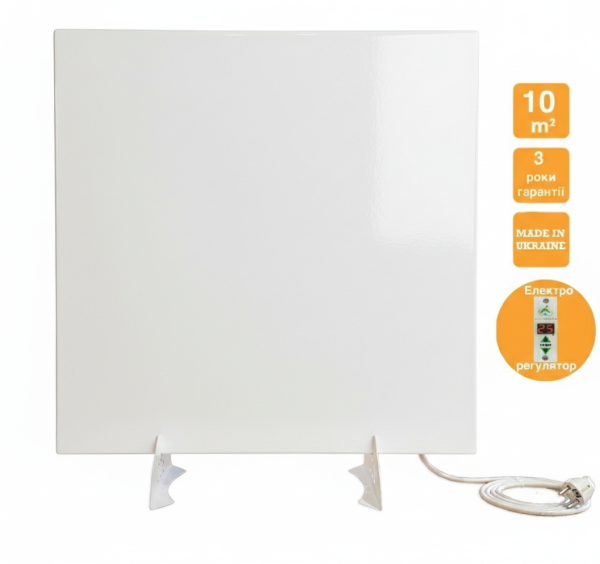
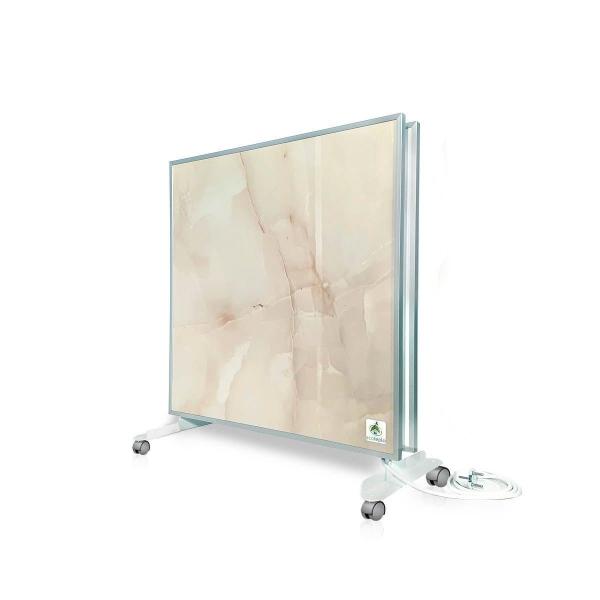
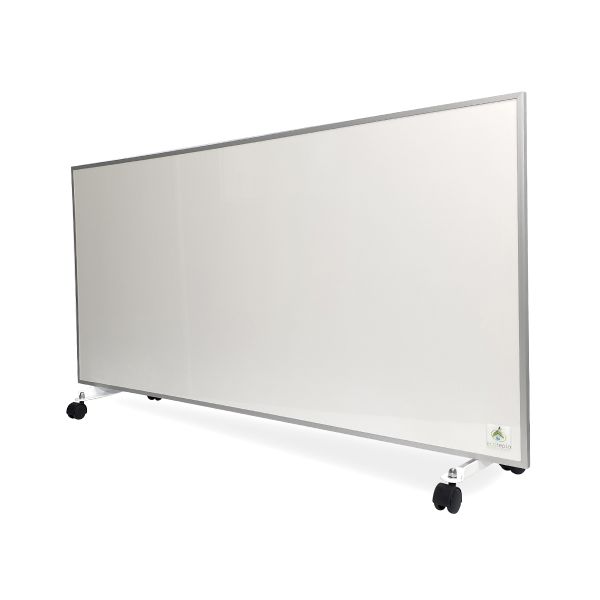
A thin, flat housing with a ceramic heating element that works mainly through infrared radiation. Advantages: low surface temperature (up to 60-65°C), silent operation, compactness, fast time to working temperature. Disadvantages: limited power from a single unit for very large rooms, requires wall mounting for maximum efficiency.
2. Ceramic and electric convectors
A thicker housing with a more active convection circuit that heats the entire volume of air in a room faster. Advantages: even heating of large rooms, stable operation over long periods, some models have moisture protection for bathrooms. Disadvantages: dry the air more than panels, larger housing size.
3. Electric radiators
A sectional design that mimics a classic water radiator but with an electric heating element. Advantages: high thermal inertia — hold heat for a long time after being switched off, familiar and recognizable look, simple room-by-room zoning. Disadvantages: slower heating due to thermal inertia, heavier, require sturdy mounting.
4. Open-type infrared heaters
Heat objects and people directly within the radiation zone rather than the air as a whole. Advantages: instant warmth within the zone, effective on open terraces and balconies where convection heating is useless due to open space. Disadvantages: high element temperature, limited range, don't heat room air evenly.
5. Fan heaters
A compact appliance with a coil and a fan for forced airflow. Advantages: instant warm-air effect, low price, portability. Disadvantages: noisy operation, burn dust on the coil with a distinctive smell, high electricity consumption, shorter service life compared to other types.
6. Oil-filled radiators
A sealed housing filled with mineral oil, heated by a heating element and slowly releasing heat through a ribbed surface. Advantages: stable heat, a familiar format, relatively affordable price. Disadvantages: considerable weight, slow heating and cooling, take up more floor space, higher tip-over risk without a sturdy base.
Comparison table of all types
| Type | Heating speed | Noise level | Surface temperature | Best use |
|---|---|---|---|---|
| Ceramic panel | Fast | Silent | Low, 60-65°C | Living rooms, nurseries, bedrooms |
| Ceramic convector | Fast | Silent | Moderate | Large rooms, bathrooms |
| Electric radiator | Slow | Silent | Moderate, 80-90°C | Stable base heating |
| Open-type infrared heater | Instant within its zone | Silent | High, 200°C+ | Terraces, balconies, spot heating |
| Fan heater | Very fast | Noisy | Very high, 300-500°C | One-off quick heating |
| Oil-filled radiator | Very slow | Silent | Moderate, 90-110°C | Prolonged base heating with no speed requirements |
How to choose a type for a specific need
- A living room with children or elderly people regularly present — a ceramic panel, for low surface temperature and safety;
- A large open-plan living room or studio — a ceramic convector, for even heating of the whole volume;
- Replacing or supplementing central heating — an electric radiator, for its familiar shape and zoning;
- An open terrace or balcony — an open-type infrared heater, since convection heating is ineffective in open air;
- One-off heating of a garage or workshop — a fan heater, for fast, brief heating;
- A budget solution with no high speed requirements — an oil-filled radiator.
Practical experience: the most common selection scenarios
Based on equipment-selection practice, the most common customer mistake is relying on the appliance type their parents had or that was in a previous apartment, instead of evaluating the specific need. An oil-filled radiator, familiar since childhood, often loses to a modern ceramic panel in heating speed and safety at the same price.
A second practical takeaway: owners who select a separate appliance type for each room (a panel for the bedroom, a convector for the living room, a compact fan heater for the workshop) end up spending less on heating over a season than those who try to get by with one universal appliance for the whole house.
The golden rule of selection: first define the room's area and usage pattern, then choose the appliance type for those parameters, and only in the last step compare specific models and prices within the chosen type.
Safety when choosing any heater type
- Auto shut-off on overheating or tipping over — a mandatory requirement regardless of type;
- A moisture protection rating for bathrooms or humid rooms;
- A working grounded outlet rated for the appliance's power;
- Distance from flammable materials (curtains, furniture) — at least 50 cm for most types.
Choosing models by area
- Heaters up to 10 m²
- Heaters up to 18 m²
- Heaters up to 20 m²
- Heaters up to 30 m²
- Terra premium heaters
For a complete step-by-step guide to choosing a specific model for your room, see the summary article "How to Choose the Ideal ECOTEPLO Heater for Any Room".
Conclusion
Each of the six main heater types has its own niche — there's no universally "best" appliance for every scenario. Ceramic panels and convectors win on safety, quiet operation, and efficiency for living spaces; electric radiators win on familiarity and stability; infrared appliances are indispensable outdoors; fan heaters help with one-off quick heating. The right choice starts with clearly defining the need, not comparing prices.
Sources and useful links
- DSTU EN 60335-2-30 — safety requirements for household electric heaters
- DBN V.2.5-67:2013 "Heating, Ventilation and Air Conditioning"
- Catalog of ECOTEPLO ceramic heaters

-
What are the main types of household heaters?
Six main types: ceramic panels, ceramic convectors, electric radiators, open-type infrared heaters, fan heaters, and oil-filled radiators.
-
Which heater type is the safest?
Ceramic panels with a low surface temperature (60-65°C) and an enclosed heating element are considered the safest option for living spaces.
-
Which heater warms a room the fastest?
A fan heater gives the fastest warm-air effect, but due to the coil's high temperature and noise, it's less practical for prolonged use than a ceramic panel or convector.
-
What should be chosen for a terrace or balcony?
An open-type infrared heater — it heats people and objects directly, whereas convection heating is ineffective outdoors.
-
Why aren't fan heaters recommended for constant use?
An exposed glowing coil burns dust and oxygen, creates loud fan noise, and has a shorter service life compared to other heater types.
-
Can one heater type heat an entire house?
Technically possible, but it's more practical to choose a separate appliance type for each room depending on its area and usage pattern.
-
Which heater retains heat best after being switched off?
Oil-filled radiators and electric radiators — thanks to their high thermal inertia, they stay warm longer after being switched off compared to panels or convectors.
-
Are all heater types suitable for humid rooms?
No, you need to check the specific model's protection rating — not all panels and radiators are designed for installation in bathrooms or humid rooms.
-
Which is cheaper to run: a panel, a convector, or a radiator?
The difference in electricity consumption between these types at the same power is minor — the main factor in efficiency is thermostat accuracy and correctly matching power to area.
-
What is the minimum distance from a heater to curtains or furniture?
The recommended safe distance is at least 50 cm from flammable materials, regardless of appliance type.
-
Is auto shut-off required for every heater type?
Yes, having auto shut-off on overheating or tipping over is a mandatory safety requirement regardless of the chosen appliance type.