Radiator Heating: Pros, Cons, and Placement

Quick answer: radiator heating provides stable, even heat and simple room-by-room zoning, but has larger dimensions and weight compared to panels, responds more slowly to temperature changes, and requires regular dust removal from the fins. The best installation location is under a window or against an exterior wall, 8-12 cm from the floor and wall for proper air convection.
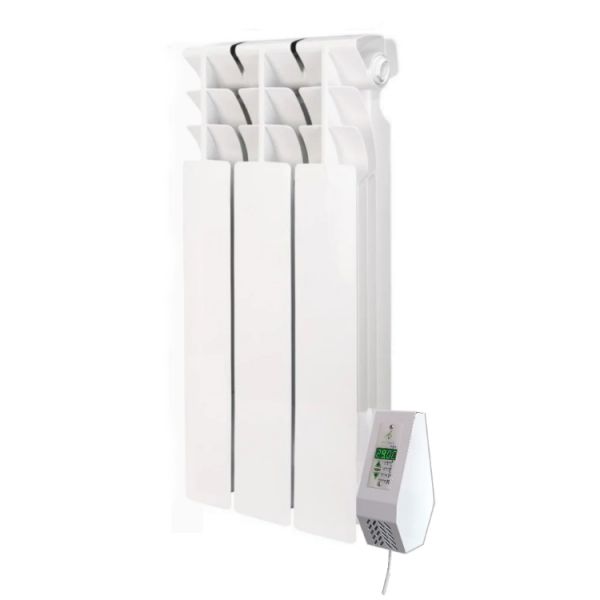
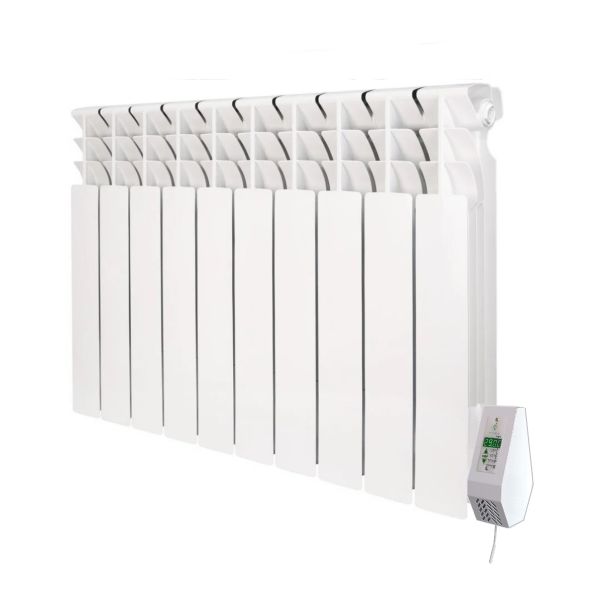
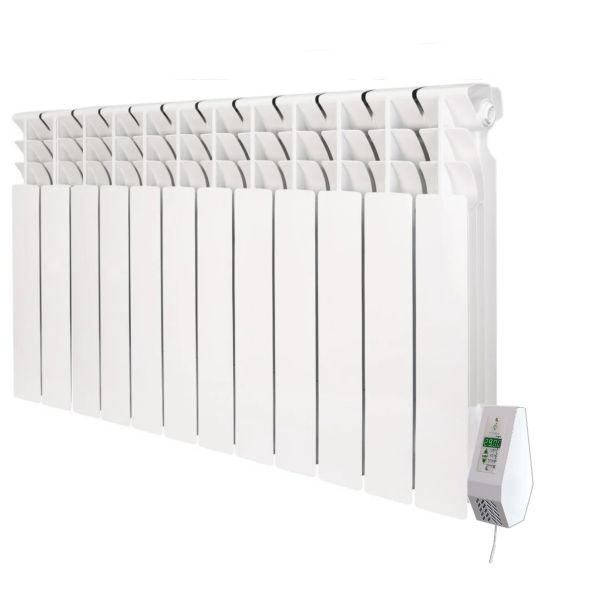
Radiator heating is one of the most common ways to heat a home, but when switching to electric radiators or replacing a system, it's important to understand the real advantages and limitations of this appliance type, as well as correct placement for maximum efficiency. Let's break it down.
Advantages of radiator heating
- Stable, even heat — the high-inertia body holds temperature for a long time even after being switched off, providing smooth heating without sharp swings;
- Simple zoning — each room gets its own radiator with individual temperature control, without needing to heat the whole space equally;
- Long service life — quality sectional radiators last 15-25 years with proper use;
- A familiar, well-known heating method — requires no lifestyle adjustment, mounts in place of an existing radiator.
Disadvantages of radiator heating
- Large size and weight — a sectional radiator takes up more wall space than a thin ceramic panel and requires sturdy mounting;
- Dust accumulation — ribbed surfaces collect dust, which can scorch when heated and create an unpleasant smell without regular cleaning;
- Slower response to temperature changes — due to thermal inertia, the body takes longer to reach working mode and longer to cool, which is less convenient for brief, targeted heating;
- Interior design limitations — a traditional radiator's look doesn't always fit modern minimalist interiors.
Where radiators are best installed
The classic under-window placement
Installing a radiator under a window isn't accidental — it's a physically sound solution: warm air from the radiator rises along the glass, offsetting the cold downdraft from the window in winter, and forms a kind of thermal curtain that reduces the sense of drafts in the room.
Another practical rule: the radiator's width should be at least 70-75% of the width of the window above it — otherwise the thermal curtain doesn't cover the entire cold air mass from the glass, and part of the draft still enters the room above the appliance.
Minimum clearances for proper convection
| Parameter | Recommended clearance |
|---|---|
| From floor to bottom of radiator | 8-12 cm |
| From windowsill to top of radiator | 10-15 cm |
| From wall to back of radiator | 3-5 cm |
| From side wall or furniture | at least 15-20 cm on each side |
Failing to keep these clearances impairs natural air convection and reduces the appliance's actual heat output even with correctly calculated power.
What to avoid when installing
- Covering the radiator with solid decorative screens without ventilation openings — this reduces heat output by 15-20%;
- Hanging heavy curtains that fully cover the radiator from above — warm air builds up under the curtain instead of entering the room;
- Placing furniture right against the appliance — besides impairing convection, this creates a fire risk from overheating.
Radiators versus ceramic panels: when to choose which
| Criterion | Radiator | Ceramic panel |
|---|---|---|
| Heating speed | Slower due to thermal inertia | Faster, near-instant response to the thermostat |
| Heat stability | Very stable, holds temperature for a long time | Stable, but less high-inertia |
| Size | Larger, requires sturdy mounting | Thin, light, compact installation |
| Maintenance | Regular cleaning of dust from fins | Smooth surface, easier to wipe down |
| Best use | Primary room heating all season | Flexible spot heating, nurseries, bedrooms |
Practical experience: typical radiator usage scenarios
Based on customer observations, radiator heating performs best where a stable base temperature is needed throughout the day — a living room, kitchen-studio, or hallway. Where flexibility and quick temperature changes matter (a children's room with different day and night modes, a study with occasional use), a ceramic panel is usually more convenient thanks to its faster response to the thermostat.
A practical takeaway from installation experience: a combined approach — a radiator as the base heat source in large rooms plus a ceramic panel in rooms with irregular use — often delivers the best balance of comfort and cost.
Regularly cleaning dust from the radiator's fins (at least once per heating season) not only improves air quality but also increases the appliance's actual heat output by 5-10%.
Accessories for radiator heating
For stable operation of an electric radiator, a quality heating-element control unit that regulates the heat carrier's temperature inside the sections is important. For more on how such a unit works and its benefits, see the article "Heating Element Control Unit for a Radiator", and the range is available in the heating-element control units category.
Conclusion
Radiator heating remains a reliable solution for stable, base-level room heating, especially where a prolonged, even temperature matters. The main conditions for efficiency are correct placement under a window with proper clearances for convection, and regular appliance maintenance. For more flexible scenarios, it's worth considering combining radiators with ceramic panels in individual rooms.
Sources and useful links
- DBN V.2.5-67:2013 "Heating, Ventilation and Air Conditioning"
- Catalog of ECOTEPLO electric radiators

-
What are the main advantages of radiator heating?
Stable, even heat, simple room-by-room zoning, and a long service life for quality appliances — 15-25 years with proper use.
-
What are the disadvantages of radiator heating?
Large appliance size and weight, dust accumulation on the fins, and a slower response to temperature changes due to thermal inertia compared to panel heaters.
-
Why are radiators installed specifically under a window?
Warm air from the radiator rises along the glass and offsets the cold draft from the window, forming a thermal curtain that reduces the sense of drafts in the room.
-
What clearance is needed from the floor to the radiator?
The recommended clearance is 8-12 cm from the floor to the bottom of the appliance for proper natural air convection.
-
Can a radiator be covered with a decorative screen?
A solid screen without ventilation openings reduces the appliance's heat output by 15-20%, so the screen must have adequate ventilation.
-
How often should a radiator be cleaned of dust?
It is recommended to clean the fins at least once per heating season — this improves air quality and increases the appliance's actual heat output by 5-10%.
-
Which is better for a bedroom: a radiator or a ceramic panel?
For a bedroom with different day and night modes, a ceramic panel is usually more convenient thanks to a faster response to the thermostat, while a radiator suits stable round-the-clock heating better.
-
Can furniture be placed right against a radiator?
This is not recommended — it impairs air convection and creates a risk of overheating furniture or fabrics placed too close to the appliance.
-
Is a control unit needed for an electric radiator?
Yes, a quality heating-element control unit regulates the heat carrier's temperature inside the sections and ensures stable, safe operation.
-
Can radiators and ceramic panels be combined in one home?
Yes, a combined approach — a radiator for base heat in large rooms, a panel in rooms with irregular use — often delivers the best balance of comfort and cost.