How to Choose a Heater: Criteria That Actually Matter

Quick answer: there's no single "best" heater overall — there's the right choice for a specific task. For dry, even heat in a living room, a ceramic panel sized to a calculated power is optimal; for a garage or workshop, a convector or fan heater; for spot-heating a person on an open balcony, an infrared appliance. The main criteria are room area, usage pattern (continuous or occasional), and the required level of safety.
Stores offer dozens of heater models, and without a clear set of criteria it's easy to either overpay for excess power or buy an appliance that can't handle the room. This article offers a step-by-step approach to choosing: from defining the task to a specific power calculation and comparing appliance types.
Step 1. Define the task, not the appliance type
Before looking at models, answer three questions: what area needs heating, how often the appliance will run (a few hours a day or around the clock all season), and whether the room has children, pets, or elevated humidity. The answers to these questions determine the appliance's type and power far more precisely than online reviews of the "best heater."
A common selection mistake
The most common mistake is relying on price or brand instead of calculating for the specific area. An underpowered appliance will run continuously at maximum and never reach a comfortable temperature, while an overpowered one wastes extra electricity and dries the air faster.
Step 2. Compare heater types by task
| Appliance type | Best suited for | Features |
|---|---|---|
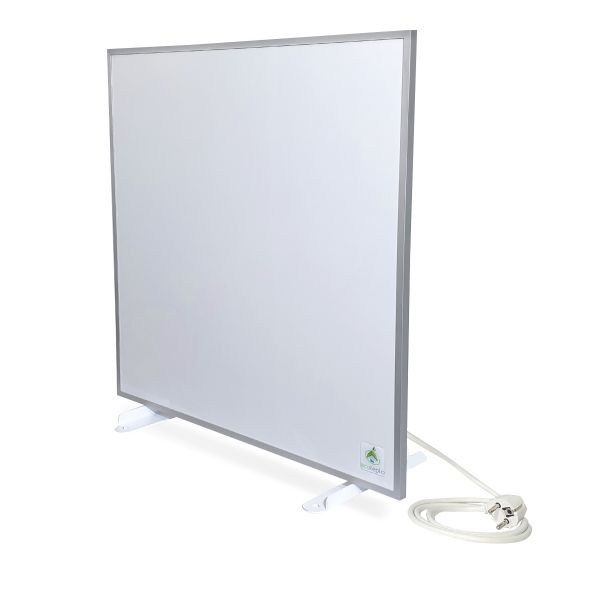
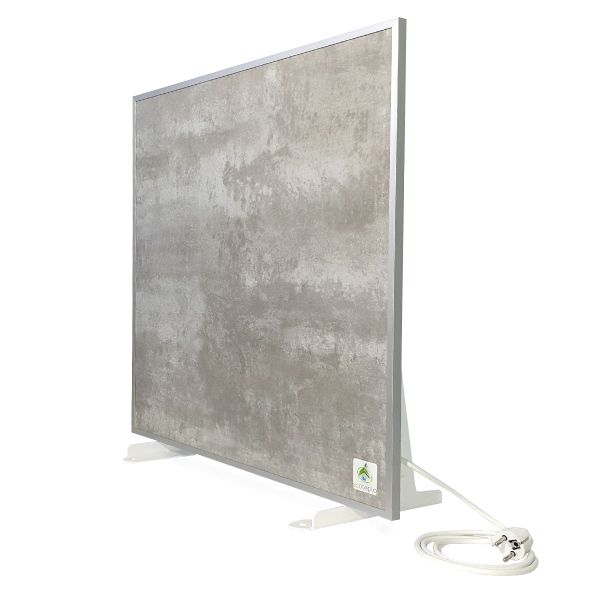
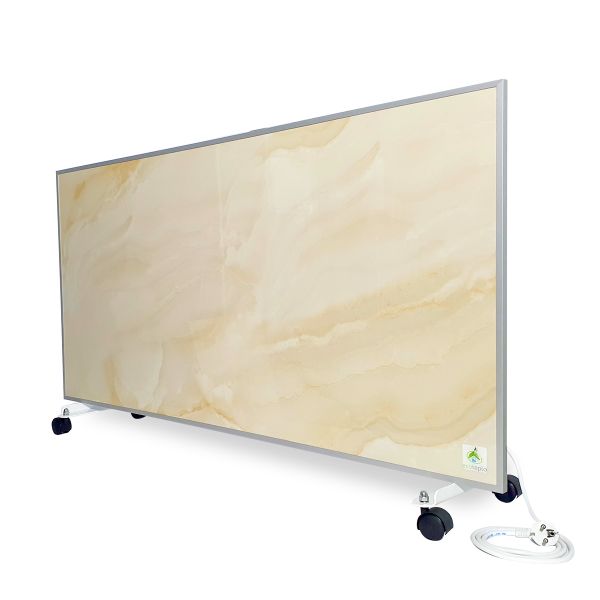
| Ceramic panel | Living rooms, bedrooms, nurseries, offices | Quiet, even heat, low surface temperature |
| Convector | Rooms with constant occupancy, bathrooms | Fast air heating, can be moisture-protected |
| Infrared heater | Terraces, balconies, spot-heating a person | Heats objects and people rather than air directly |
| Fan heater | One-off quick heating of a small space | Noisy, high consumption, short-lived |
| Electric radiator | Replacing or supplementing central heating | High thermal inertia, cools slowly, stable heat |
Step 3. Calculate the required power
The baseline guideline for rooms with standard insulation and a ceiling height up to 2.7 m is 80-100 W per 1 m² of area. For corner rooms, rooms with large glazed areas, or poor insulation, add a 20-30% margin.
- Up to 10 m² — heaters up to 10 m², approximately 0.6-0.8 kW;
- 10-18 m² — heaters up to 18 m², approximately 1-1.4 kW;
- 18-20 m² — heaters up to 20 m², approximately 1.4-1.8 kW;
- 20-30 m² — heaters up to 30 m², approximately 2-2.5 kW.
Step 4. Evaluate additional criteria
Thermostat and control class
An appliance without a thermostat forces you to switch heating on and off manually, which is inconvenient and increases electricity use. A mechanical thermostat is cheaper; an electronic one is more precise, letting you set the temperature to the degree.
Mounting method
Wall panels save floor space, are out of reach of children and pets, and distribute warm air evenly around the room. Floor models are more mobile — they're easy to move between rooms as needed.
Off-grid operation during power outages
In 2026, for many Ukrainian households a critical criterion is whether the heater can be powered from a power bank or generator during scheduled outages. Low-power ceramic panels are the easiest to connect to a standalone power source compared to powerful convectors or heat guns.
Practical experience: how ECOTEPLO customers choose
Based on sales observations, the most common customer mistake is trying to pick a single heater for the entire house at once. A more practical approach is to select a separate appliance for each active zone (bedroom, living room, kitchen) with its own thermostat, rather than one powerful appliance for everything. This provides flexibility — you can heat only the room people are actually in and avoid overpaying to heat empty rooms.
A second practical takeaway: customers who first calculate power for a specific area using a formula, rather than by eye, less often come back to exchange the model after a week of use.
A rule worth remembering: it's better to buy an appliance with a small power margin (10-15%) and regulate it with a thermostat than to buy the minimum calculated power with no margin — it won't cope on frosty days or in a corner room.
Comparison with other heating sources
If you're considering not just electric appliances but alternatives — gas, firewood, diesel — a detailed comparison of cost and practicality across heating types is available in "How Much Does Home Heating Cost: Firewood, Gas, Diesel, or Electricity". For those looking to narrow the choice specifically among ECOTEPLO models, the 2026 heater ranking is a useful reference.
Conclusion
Choosing the right heater starts not with comparing models, but with clearly defining the task: area, usage pattern, whether there are children or pets, and the need for off-grid operation. Power calculated for these parameters and a matching appliance type deliver a far better result than relying on price or random reviews.
Sources and useful links
- DBN V.2.5-67:2013 "Heating, Ventilation and Air Conditioning"
- Catalog of ECOTEPLO ceramic heaters

-
Which heater is best to choose for an apartment?
For an apartment, the most practical choice is a wall-mounted ceramic panel sized to the room's calculated power: it's quiet, safe, doesn't take up floor space, and is precisely regulated by a thermostat.
-
How do you calculate heater power for a room's area?
The baseline guideline is 80-100 W per 1 m² for standard ceiling height and insulation. For corner rooms or large glazed areas, add a 20-30% power margin.
-
How does a ceramic panel differ from a convector?
A panel heats mainly by radiation, feels warmer to the touch, and is more compact; a convector heats air faster through convection flow but dries the air more and needs more installation space.
-
Is a thermostat strictly necessary?
A thermostat isn't mandatory, but it greatly improves convenience and efficiency: without one you have to switch the appliance on and off manually, which increases electricity use.
-
Which heater should be chosen for a garage or workshop?
For non-residential spaces used occasionally, convectors or fan heaters are the most practical — they quickly heat the air for one-off use without needing long operation.
-
Can one heater heat an entire house?
Technically possible for small houses, but a more practical approach is a separate appliance for each active room with its own thermostat instead of one powerful heater for the whole home.
-
What matters more: power or brand of the heater?
Correctly calculated power for the specific area matters more than the brand — even a quality appliance with insufficient power won't deliver a comfortable temperature on frosty days.
-
Is it worth buying a heater with a power margin?
Yes, a small margin of 10-15% above calculated power lets the appliance cope with colder days and corner rooms without running constantly at maximum.
-
Is a wall-mounted or floor heater more practical?
Wall mounting saves space and is safer around children and pets; floor models are more mobile and easy to move between rooms as needed.
-
Can a heater be powered from a power bank during outages?
Small and medium-power ceramic panels are the easiest to connect to a standalone power source compared to powerful convectors or heat guns.
-
How many heaters are needed for a 60 m² apartment?
It's usually more practical to have 2-3 appliances for active zones (bedroom, living room, kitchen) with individual thermostats than one powerful heater for the whole apartment.