How to Reduce Your Electric Heating Bill: Practical Ways to Save

Quick answer: four factors have the biggest effect on your electric heating bill: correctly sized heater output for the room's area, whether a thermostat shuts the device off once the set temperature is reached, insulating the space, and a smart usage pattern (zone heating, night tariff). Combining these steps yields savings of 20-40% without sacrificing comfort.
The electric heating bill in winter often becomes the largest expense in a family's budget. The good news is you can lower it without giving up warmth at home, simply by optimizing how and when equipment runs.
Why does the heating bill grow disproportionately?
The most common reason for overpaying is a heater without a thermostat running continuously at full power, regardless of whether the room still needs more heat. The second typical factor is a mismatch between the device's output and the room's area: too weak a heater runs longer and less efficiently, while too powerful a heater wastes extra energy on short on-off cycles.
Main sources of overpayment
- A heater without a thermostat or timer.
- Incorrectly sized device output.
- Poor room insulation — drafts, loose windows and doors.
- Heating the whole apartment at once instead of taking a zone-based approach.
How does a thermostat affect savings?
A thermostat — a device or built-in feature — automatically switches the heating element off once the set temperature is reached and turns it back on as the room cools. This turns continuous full-power operation into cycles, lowering average consumption without sacrificing comfort. For more on how it works and how to choose one, see the article why you need a thermostat and how to choose one.
Practical savings steps, one by one
| Step | Approximate effect |
|---|---|
| Replacing an unregulated heater with a thermostat-equipped model | Significant reduction from cyclic operation |
| Correctly sizing output to the room's area | Avoids overuse or insufficient heating |
| Insulating windows and doors, eliminating drafts | Lower heat loss, less time the device needs to run |
| Zone heating (living rooms only) | Savings from not heating unused spaces |
| Using the night tariff for part of the load | Lower price per kWh during preferential hours |
A step-by-step monthly plan
- Check for and fix the simplest sources of heat loss — drafts around windows and doors.
- Calculate the required heater output for each room using roughly 100 W per 1 m².
- Choose a model with a thermostat and, if possible, a timer for a night mode.
- Close doors to rooms not currently in use.
- Compare the monthly bill before and after making the changes.
What experience shows
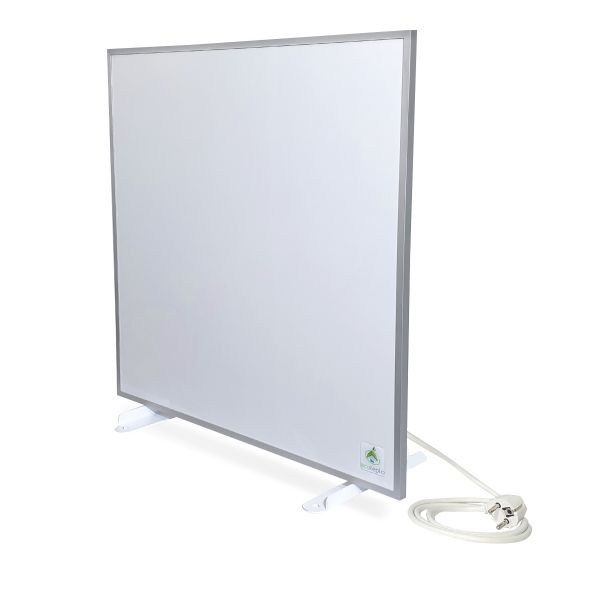
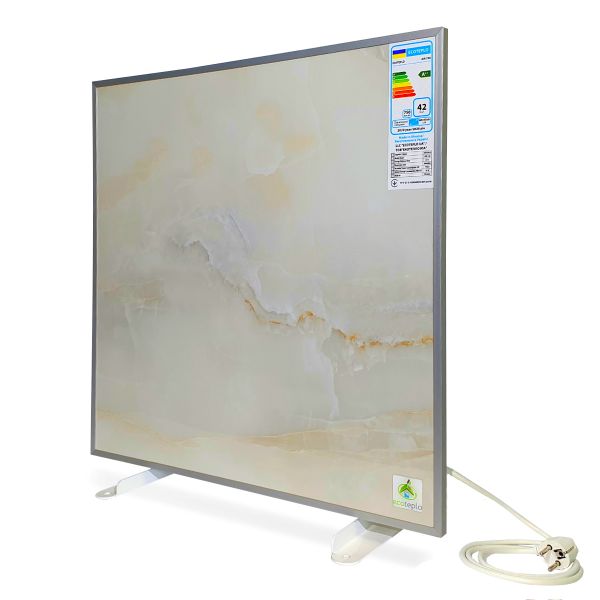
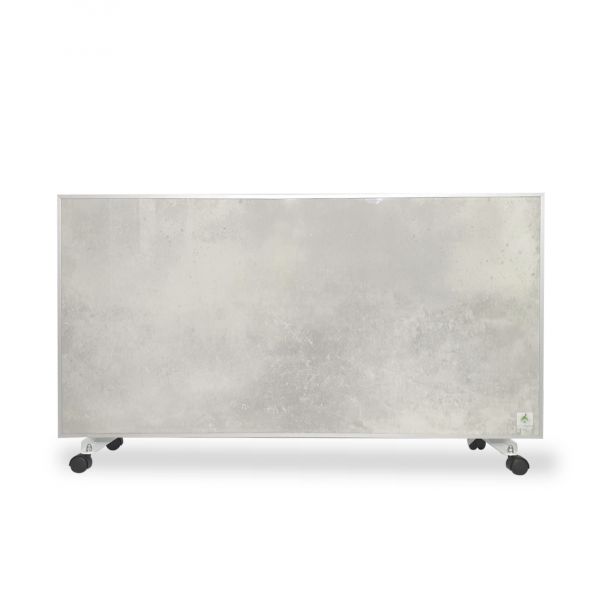
According to ECOTEPLO customer feedback, the biggest one-time effect comes from replacing an old unregulated device with a ceramic heater with a thermostat: in 15-20 m² rooms, owners recorded a 25-35% drop in monthly consumption while keeping the same level of comfort. The second most significant factor is insulation: even a good heater wastes extra energy compensating for drafts and heat loss through windows.
An interesting practical observation concerns zone heating. Families who stopped heating hallways, storage rooms, or rarely used rooms at full power and instead focused on living spaces reported additional savings without a noticeable loss of comfort, since they spend most of their time in the heated zones anyway.
Is it worth saving by lowering the temperature?
This is the least effective way to save money from a comfort standpoint. Instead of putting up with the cold, it's more effective to optimize how the equipment runs — thermostat, insulation, zoning. Lowering the set temperature by 1-2°C gives a moderate effect, but a much smaller one than switching from an unregulated device to a thermostat-equipped model.
The main expert principle: saving means increasing heating efficiency, not giving up warmth. A room should receive exactly as much energy as it needs for comfort, with no unnecessary losses.
A comprehensive approach yields the biggest effect
No single step by itself produces a dramatic result — the effect builds up from combining several measures at once. For a detailed step-by-step guide with 15 winter savings tips, see the article how to save electricity in winter: 15 practical tips. For common heater selection mistakes, see top mistakes when choosing a household heater. Catalog of energy-efficient thermostat-equipped models — ECOTEPLO ceramic heaters.
Sources and useful links
General recommendations for energy efficiency in residential buildings in Ukraine are set out in DBN V.2.6-31 "Thermal Insulation of Buildings." Check the exact electricity tariff with your grid operator. Catalog of thermostat-equipped equipment — on the electric radiators for heating page.
Lowering your electric heating bill isn't a single magic action but a combination of the right decisions: correctly sized output, a thermostat, insulation, and a sensible usage pattern. Together they deliver noticeable savings without compromising on warmth at home.

-
What has the biggest impact on the electric heating bill?
Whether a thermostat is present, correctly sized heater output for the room's area, and the quality of the room's insulation.
-
Does a thermostat really save electricity?
Yes, it switches the device off once the set temperature is reached, turning continuous operation into cycles and lowering average consumption.
-
How much can I save by replacing an old heater with a thermostat-equipped model?
According to customer feedback, monthly consumption typically drops by 25-35% in medium-sized rooms.
-
Is it worth lowering the room temperature to save money?
This gives only a moderate effect. It's far more effective to optimize how the equipment runs — thermostat, insulation, and zone heating.
-
What is zone heating?
It's an approach where only actually used rooms are actively heated, instead of warming the whole apartment or house at once.
-
Does insulating windows help lower the heating bill?
Yes, eliminating drafts and gaps significantly reduces heat loss, and the heater uses less energy to maintain the same temperature.
-
Do I need to replace the whole heater, or can I add a separate thermostat?
If the model supports connecting an external thermostat, installing just that may be enough; if not, it's more sensible to switch to a model with a built-in thermostat.
-
How do I calculate the required heater output?
Roughly 100 W per 1 m² at standard ceiling height and insulation, adjusted for corner rooms and large windows.
-
Can I save money by using the heater only at night?
This depends on whether you have a two-zone tariff and how the room is used; in general, it's more effective to maintain a stable, economical temperature continuously than to switch modes abruptly.