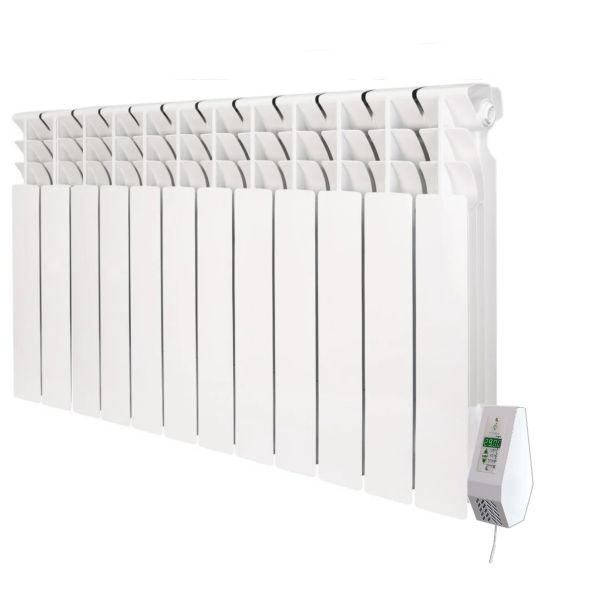
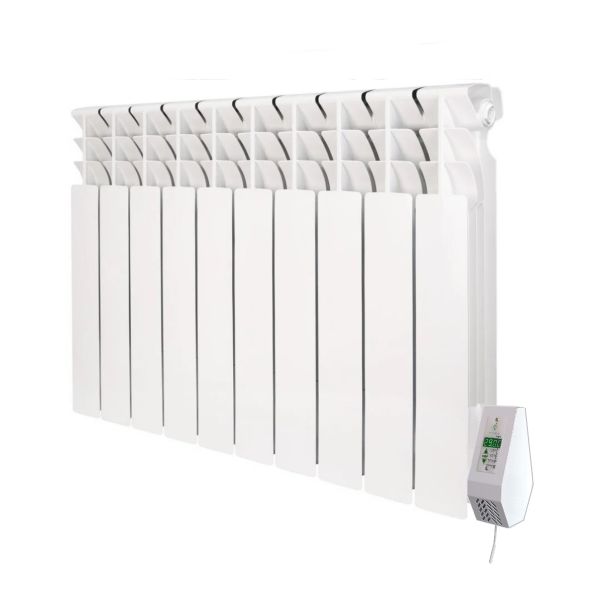
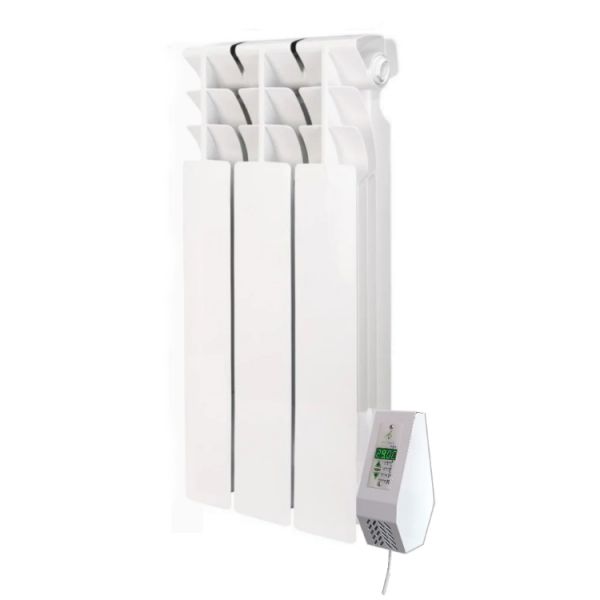
Electric Radiators as an Alternative to Gas Heating in 2026

Quick answer: electric radiators can fully replace gas heating in an apartment or small house, provided the electrical grid has sufficient capacity (typically from 30-50 A per house) and thermostats are fitted on each device. Compared to gas, electric heating costs depend on the tariff and building insulation, but you gain independence from gas supply and precise room-by-room temperature control.
The question of switching from gas to electric heating is relevant in 2026 both because of unstable gas supply in some regions and the desire to simplify the heating system — no boiler, chimney, or annual servicing. Electric radiators are one of the most practical options for making that switch.
How is an electric radiator different from gas heating?
Gas heating involves a centralized system: a boiler, piping, water-heating radiators, regular maintenance, and dependence on gas supply. An electric radiator is a standalone device that plugs directly into an outlet or a dedicated circuit and requires no pipes, heat-transfer fluid, or chimney.
Key practical differences
- Installation — an electric radiator can be installed in an hour, while a gas system requires a design project, approvals, and qualified installers.
- Maintenance — no annual boiler inspection or chimney cleaning.
- Control flexibility — each device has its own thermostat, allowing different temperatures in different rooms.
- Dependence on the power grid — without electricity, electric heating won't run without an alternative power source.
How much does switching to electric heating cost?
| Parameter | Gas heating (boiler + system) | Electric radiators |
|---|---|---|
| Initial investment | High: boiler, pipes, installation, design | Moderate: cost of devices for each room |
| Installation time | Days to weeks | Hours |
| Maintenance | Annual, requires a specialist | Minimal, occasional dust cleaning |
| Zone heating flexibility | Limited without separate circuits | High — each device independent |
How to calculate the number of radiators needed
- Measure the area of each room you plan to heat.
- Calculate the required output — roughly 100 W per 1 m² with standard insulation.
- Choose models by category: electric radiators up to 10 m², up to 20 m², or up to 30 m².
- Check whether the wiring can handle the combined load of all devices running at once.
Can old wiring handle electric heating?
This is one of the most important technical aspects of switching. Old wiring in houses built decades ago is often rated for much less load than modern electric heating with multiple devices running simultaneously requires. Before switching, it's worth consulting an electrician and, if needed, reinforcing a dedicated circuit for the heaters. For more, see the article can old wiring handle electric heating.
What experience switching from gas to electricity shows
Based on the experience of private-home owners who switched to ECOTEPLO radiator heating, the best result comes from a combined approach: base output is distributed across rooms in proportion to their use — in bedrooms and the living room, devices run continuously to maintain a comfortable temperature, while in rarely used spaces (storage room, hallway) they run in a minimal economy mode or only when needed.
Practical observation: households with good insulation (modern windows, insulated walls) switch to electric heating with minimal comfort trade-offs, while in poorly insulated houses it's worth investing in insulation first — otherwise electricity costs will be unjustifiably high regardless of how good the radiators themselves are.
Advantages and limitations of electric radiators
| Advantages | Limitations |
|---|---|
| Independence from gas supply | Dependence on electricity availability |
| Precise room-by-room temperature control | Requires sufficient grid capacity |
| No annual maintenance | Old wiring may need reinforcing |
| Fast, simple installation | Costs depend on the current electricity tariff |
How to offset the risk of power outages?
Anyone switching to electric heating should plan ahead for power outages — a backup power source (generator, UPS) or a combination with an alternative heat source. For options for standalone heating during a blackout, see the article standalone apartment heating during a blackout without a generator.
Sources and useful links
Requirements for wiring and load on household networks are governed by the Electrical Installation Rules (PUE) and the relevant DBN standards for residential power supply. Before reinforcing a circuit for electric heating, consult a certified electrician. Catalog of ECOTEPLO electric radiators — on the electric radiators for heating page.
Electric radiators are a realistic alternative to gas heating for most apartments and houses with an adequate power grid. The key is to correctly calculate output, check the wiring's condition, and not forget about insulation, which determines actual costs no less than the type of heating itself.

-
Can I completely give up gas heating in favor of electric?
Yes, provided the house's electrical grid has sufficient capacity and the number and output of radiators are correctly matched to each room.
-
How much does switching to electric radiators cost compared to a gas boiler?
The initial investment in electric radiators is usually lower than installing a full gas system with a boiler, pipes, and installation, though the final amount depends on the number of rooms.
-
Do I need to rewire when switching to electric heating?
Often yes, especially in old houses — it's recommended to check the load and, if needed, reinforce a dedicated circuit for the heating devices.
-
What should I do about electric heating during a power outage?
Consider backup power (a generator, a UPS) or combine it with an alternative heat source in case of prolonged outages.
-
How much output is needed for a 20 m² room?
Roughly 1,500-2,000 W depending on insulation quality, ceiling height, and the number of windows.
-
Is electric heating more economical than gas at current tariffs?
It depends on the specific gas and electricity prices in your region and equipment efficiency, so it's worth calculating individually.
-
Can electric radiators be installed separately in each room?
Yes, this is one of the main advantages — each device operates independently with its own thermostat, allowing different temperatures in different rooms.
-
Do electric radiators require annual maintenance?
Minimal — mainly dust cleaning and periodic checks of the thermostat and power cable.